
Thank you for Subscribing to Healthcare Business Review Weekly Brief
× 
Healthcare Business Review Weekly Brief
Be first to read the latest tech news, Industry Leader's Insights, and CIO interviews of medium and large enterprises exclusively from Healthcare Business Review
A featured contribution from Leadership Perspectives: a curated forum reserved for leaders nominated by our subscribers and vetted by the Healthcare Business Review Advisory Board.

University Health
Catalyzing Change in Asset Management
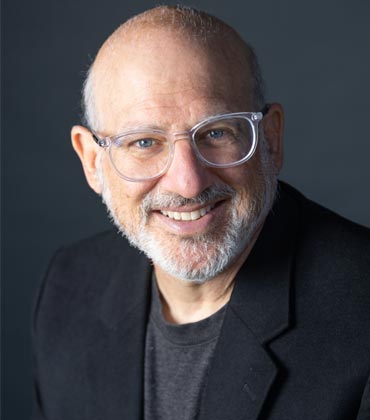
Arthur Kurland
Arthur Kurland is a distinguished personal property asset management evangelist. Under his leadership as the Director of Capital and Asset Management, University Health has become the world's first ANAB-accredited ISO 55001 hospital.
Leveraging his experience as a seasoned accounting professional, Arthur is renowned for driving business process improvement across Fortune 500, private, and not-for-profit organizations. His hands-on approach and problem-solving abilities have earned him recognition as a high-energy leader proficient in financial operations and controls.
In an interview with Healthcare Business Review, Arthur Kurland sheds light on his realistic approach to change management and the importance of aligning organizational culture with ISO standards.
How would you describe your journey and outline your current roles and responsibilities within your organization?
My role is to direct, manage and supervise staff to coordinate all activities for the personal property asset lifecycle. When I joined University Health, there was a noticeable absence of appropriate processes and procedures for managing the lifecycle of personal property, also known as furniture, fixtures and equipment. This led to significant inefficiencies in resource allocation and space management and unnecessary expenditures on redundant items.
Recognizing the need for a systematic approach, we turned to the recently released at the time, ISO 55001 standard, which offers guidelines for best practices in asset management. Implementing these key principles, we have transformed how we handle personal property, resulting in significant improvements across various fronts.
One of the major results has been the breakdown of silos between departments, fostering greater collaboration and transparency. Through this collaborative effort, we uncovered redundancies and inefficiencies in how departments managed their assets, leading to streamlined processes and more accurate record-keeping.
This newfound efficiency has not only improved our operational effectiveness but has also boosted employee satisfaction. We have created a more positive work environment where staff feel supported and valued, promptly addressing their concerns and work orders.
What challenges do you encounter daily, and how do you address them?
Our primary challenge is shifting the organizational culture across our large organization with over 10,000 employees. Many long-time employees were accustomed to established practices without considering process improvement. Due to this ingrained mindset, convincing people to adhere to our new processes and procedures was a hurdle. Gaining support from leadership was key to our success.
These issues were largely overcome once we adhered to the ISO 55001 standards. Our leadership fully embraced the implementation of standardized processes and procedures across all lifecycle phases, demonstrating tangible improvements in various areas.
Regarding tools, we rely on familiar technologies such as barcode scanners for tagging property and a database for managing asset information. We also implemented a work order system to keep track of employee requests.
How do you approach change management in situations where employees are resistant to change?
Managing organizational change can be challenging, especially when employees are resistant due to fear of increased workload.
We aim to minimize disruptions to their current workflows while integrating asset management practices into their existing activities. We reassure employees that the changes we implement will ultimately benefit them rather than burden them. We adopt a collaborative approach by interviewing individual departments to understand their existing processes and concerns.
We do not impose unnecessary demands; we ensure a smooth transition to align changes with their needs. This approach paves the way for our success, resulting in win-win situations for all parties involved.
How do you collaborate with various departments to align asset management goals with broader organizational objectives?
Collaboration with other departments is essential in achieving the organization’s objectives. We facilitate it through regular meetings like the asset management governance committee, which involves IT and Biomed departments. Similarly, we attend meetings hosted by these departments to ensure alignment.
We implemented many best practices in asset management over time and achieved tangible outcomes, enabling us to handle our personal property more efficiently
Through electronic reporting, in-person discussions and online meetings, we ensure everyone has access to the same information and understands their roles in achieving our shared goals. Fostering efficient communication and coordination, we work together to contribute to organizational success.
What advice would you offer to your fellow peers in similar roles?
I emphasize the value of effectively managing the lifecycle of personal property within an organization. This endeavor carries low risk yet offers high efficiency and cost savings rewards. Securing support from senior leadership is paramount to initiating this process.
Forward-thinking organizations aiming to enhance undermanaged areas, such as personal property management, often assume that individual departments adequately manage their assets. However, there is room for improvement, as there may not be a centralized approach to ensure cohesion and maximize organizational efficiency. Organizations prioritizing asset management can unlock numerous benefits and enhance overall operational effectiveness.
The articles from these contributors are based on their personal expertise and viewpoints, and do not necessarily reflect the opinions of their employers or affiliated organizations.
