Thank you for Subscribing to Healthcare Business Review Weekly Brief
Foot and Hand Surgery: Advancing Orthopaedic Care across Europe
Foot and hand surgery continues to evolve through ongoing advancements in surgical techniques, rehabilitation strategies, and healthcare technologies. By restoring mobility, improving function, and supporting recovery, these specialised procedures help patients regain independence and enhance their quality of life.
As innovation accelerates and healthcare systems across Europe continue advancing, foot and hand surgery will remain an essential component of modern orthopaedic care, delivering good results for patients with a wide range of musculoskeletal conditions.
Occupational Health that Moves Beyond Compliance
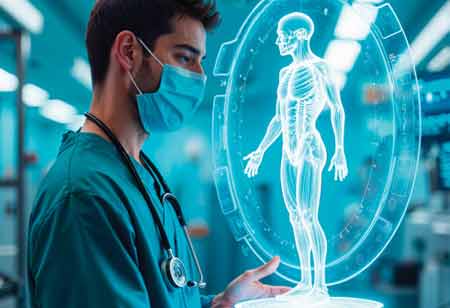
Occupational health contracts can look adequate on paper while leaving employers with fragmented records and slow follow-up. The buying problem is rarely the absence of individual services. It is whether medical surveillance and workplace safety work from the same understanding of job exposure and whether that understanding keeps pace with changes in staffing, equipment, work patterns and site conditions. A contract that cannot adjust to those shifts can create blind spots even when scheduled tasks are technically being completed.
European Safety Programs: Building Stronger Workplace Cultures

Occupational health and workplace safety have become increasingly influential components of organizational performance across Europe. Employers are expected to support workforce well-being while maintaining productivity, operational continuity, and compliance with evolving workplace standards. Modern work environments extend far beyond traditional factory floors and construction sites. Professional offices, healthcare facilities, logistics networks, technology workplaces, energy operations, and remote working environments all present distinct health and safety considerations.
Turning Diagnostic Evidence into Usable Clinical Workflows
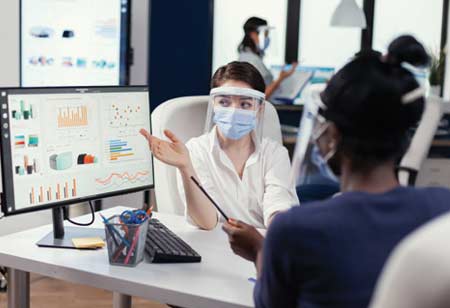
Diagnostic software is often purchased to solve a documentation problem, but the deeper issue is clinical continuity. Images, device measurements, specimen details, and physician notes may all describe the same patient case while sitting in separate systems. The risk is not only slower reporting. It is the loss of context that occurs when specialists must assemble the evidence themselves before reaching a conclusion they can defend.
A New Era in Clinical Intelligence: Europe's Commitment to Data-Driven Healthcare
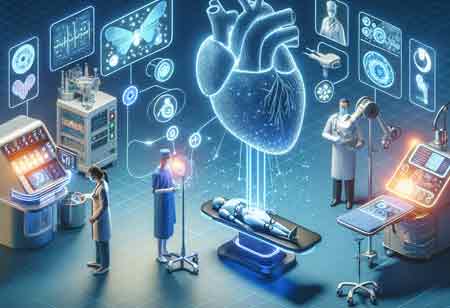
Healthcare and life sciences environments across Europe are seeing a gradual move toward more structured interpretation of clinical patterns, with the clinical intelligence signal platform supporting clearer visibility into how patient data evolves across treatment pathways and care settings. Continuous signal mapping from clinical records and operational workflows is helping identify meaningful shifts earlier, allowing care teams and research groups to respond with better alignment across departments.
Unlocking Efficiency: The Power of Remote Monitoring Solutions across Europe

Remote monitoring solutions have moved from necessity to a strategic component of European healthcare delivery. Connected blood pressure cuffs, glucose sensors, pulse oximeters, wearables, implantable devices and patient apps now transmit information from homes to clinical teams, supporting earlier intervention and fewer visits.
Reading Weak Signals in Mental Health Care
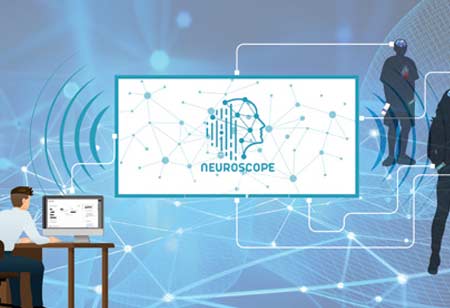
Mental health care generates far more patient data than most clinical teams can realistically review during routine care. Intake notes, wearable device data, sleep trends and physiological measurements often exist in separate systems, making it difficult to see the full picture. At the same time, changes in mental health usually emerge gradually rather than all at once. The real question for buyers is not whether continuous monitoring is possible, but whether a clinical intelligence signal platform can bring these scattered data points together in a way that helps clinicians recognize meaningful patterns earlier, without introducing yet another dashboard into an already busy workflow.
Choosing Digital Dentistry that Holds the Case Together
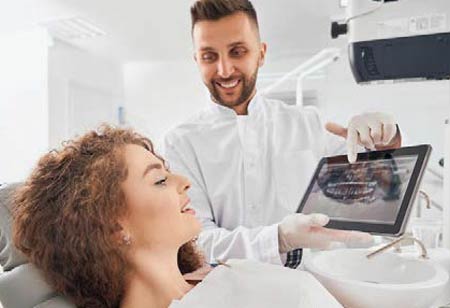
Digital dentistry usually breaks down in the gaps between clinical steps. A practice may have an intraoral scanner, planning software, implant systems and a lab relationship, yet still lose time when patient files move across disconnected screens. The purchasing question is no longer whether digital tools are useful. It is whether the tools keep the case intact from intake through restoration.
Modernizing European Healthcare: The Impact of Evidence-Based Diagnostics
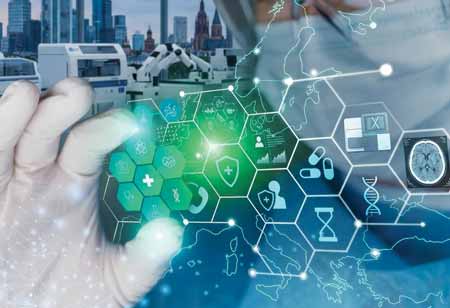
Evidence-based diagnostics are a key pillar of high-quality, patient-centred care as healthcare systems modernise throughout Europe. These solutions eliminate diagnostic uncertainty, enhance diagnostic consistency and aid in better treatment planning. Healthcare institutions can harness the power of medical evidence to deliver better patient results, boost efficiency, and enhance care quality by seamlessly incorporating it into their daily routines.
Remote Monitoring Built Around Care-Team Workload

The biggest challenge in remote monitoring is rarely the device itself. It is what happens after the data comes in. Home readings often end up in busy clinics, patients lose engagement, connectivity fails and alerts arrive without enough clinical context. For digital health executives, the goal is not more data but better use of clinicians' time while keeping vulnerable patients connected between visits. A platform can collect blood pressure, weight, oxygen readings and symptom updates, yet still leave physicians filtering out noise instead of spotting patients who need attention. The real measure of success is whether home data leads to earlier clinical intervention.
Empowering Diagnostics: The Biophoton Technology Wave across Europe

Biophoton technology solutions improve medical imaging accuracy, boost research efficiency in life sciences and advance personalised healthcare solutions.
Biophoton technology solutions are gaining significant attention across Europe as healthcare institutions and research facilities focus more on achieving faster diagnostic precision, improving imaging capabilities, and developing more responsive clinical analysis methods. The integration of light-based detection and monitoring systems is enabling medical professionals to identify conditions with greater accuracy while reducing reliance on time-consuming testing procedures.
Biophoton Technology Solutions for Consistent Functional Assessment
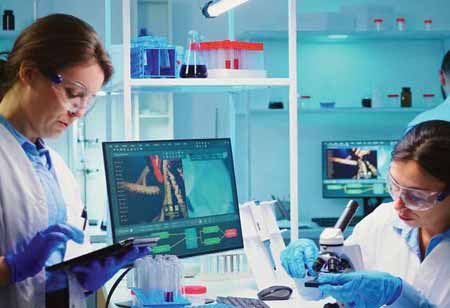
Biophoton technology now has a more active role among alternative medicine devices. It is expected to offer practitioners more than just a symbolic reading or a visual tool for clients. For executives reviewing these systems, the main question is whether the technology can turn subtle informational activity into a session workflow that stays structured and repeatable, while remaining clear enough to support responsible practice decisions.
Data-Driven Excellence: The Evolution of Medical Consulting Through Digital Transformation
Digital transformation is redefining the medical consulting and advisory market, enabling organizations to navigate increasing complexity with greater precision, speed, and efficiency. Healthcare systems today operate within highly regulated, data-intensive environments that demand continuous optimization of clinical, operational, and financial performance. By integrating digital tools, analytics, and automation, these firms help healthcare organizations enhance decision-making, improve patient outcomes, and maintain compliance with evolving regulations.
Modernizing Dental Practices: The Impact of Digital Dentistry in Europe
Digital dentistry solutions are transforming the way dental professionals diagnose, plan, and deliver patient care. As patient expectations continue to rise and dental providers seek greater operational efficiency, digital dentistry solutions are becoming essential components of modern dental practices. Across Europe, dental clinics and healthcare providers are increasingly adopting digital technologies to improve treatment outcomes and operational performance. The shift toward digital workflows enhances clinical outcomes while also streamlining communication, reducing treatment times, and improving the overall patient experience.
Advancing Behavioral Health Response in Hospital Emergency Settings
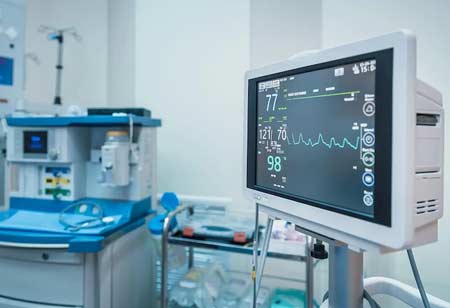
Hospital leaders continue to face a persistent challenge at the intersection of emergency care and behavioral health. Patients presenting in psychiatric crisis often enter systems designed for acute medical stabilization rather than nuanced mental health evaluation. This mismatch creates delays in disposition, prolonged emergency department stays and heightened risk for both patients and care teams. Effective rapid response models in this space are defined less by speed alone and more by the quality of clinical judgment, the ability to determine appropriate care pathways and the integration of hospital workflows with broader community support systems.
Advancing Psychiatric Care through Home-Based Treatment Models
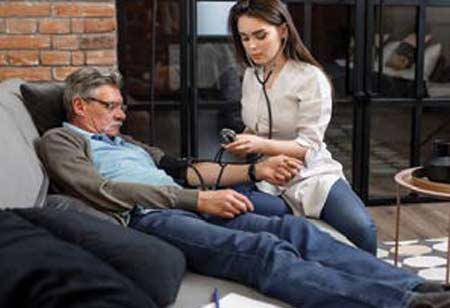
Mental health systems across developed healthcare markets continue to struggle with structural pressures that hospital-centered models were never designed to absorb. Long waiting lists, clinician burnout and fragmented treatment pathways frequently delay care for patients who require sustained psychiatric support. Institutional settings often treat episodes of illness rather than the broader social and personal contexts that shape recovery. Healthcare executives evaluating home-based psychiatric treatment programs increasingly view them as a strategic response to these pressures, not merely as an alternative service format but as a redesign of how psychiatric care is delivered.
Sustainable Mental Health Solutions: Home-Based Care across Europe

Mental healthcare delivery across Europe is gradually shifting toward models that combine clinical effectiveness with financial sustainability. Among these developments, home-based psychiatric treatment is gaining attention from healthcare providers, policymakers, insurers, and investors seeking efficient alternatives to traditional inpatient care. The approach allows patients to receive structured psychiatric support within familiar domestic environments while maintaining continuity of professional supervision.
Setting Standards for Healthcare Quality Assurance Services
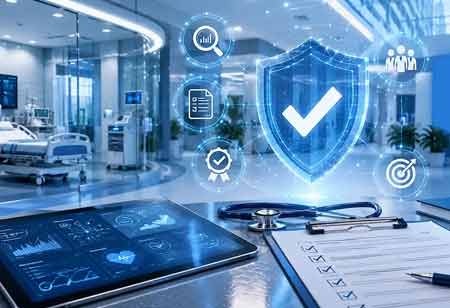
Healthcare delivery continues to move beyond traditional hospital environments, placing greater responsibility on office-based and outpatient facilities to demonstrate consistent quality assurance and regulatory discipline. For executives responsible for acquiring healthcare quality assurance services, the decision now extends well beyond meeting baseline requirements. Oversight bodies, payers, and patients expect ongoing evidence that safety protocols, documentation practices, and accountability are embedded into daily clinical activity, rather than being addressed intermittently.
Healthcare Quality Assurance Services: Advancing Safe and Reliable Care
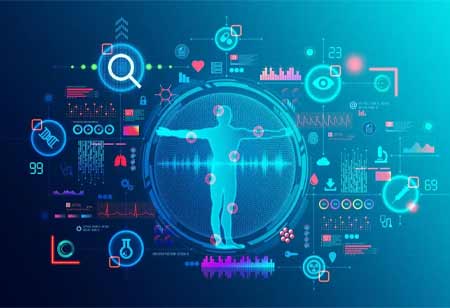
Healthcare quality assurance services provide a structured foundation for maintaining excellence, safety, and consistency across healthcare delivery systems. By systematically evaluating clinical practices, operational workflows, and patient outcomes, these services ensure that care standards remain aligned with evidence-based guidelines and organizational objectives.
Choosing a Healthcare Consulting Firm for Compliance Confidence

Healthcare executives cannot treat consulting support as an occasional outside opinion. Billing rules, documentation standards, reimbursement pressure and enforcement scrutiny now sit close to everyday management decisions. A weak advisory partner may identify problems, yet still leave leaders without a defensible path for correction, training, documentation or follow-through. The better firm helps an organization understand where exposure begins, how evidence should be reviewed and what must change before a concern becomes a larger legal or financial burden.
Emergency Preparedness in Hospitals: The Role of Technology and Protocols

In today’s fast-paced healthcare environment, the need for rapid and efficient response to medical emergencies has never been more crucial. Hospitals and healthcare facilities must be prepared to address a wide variety of urgent situations, ranging from life-threatening conditions to complex medical crises. The ability to respond quickly and effectively can be the difference between life and death, and it is also a key component of operational efficiency and patient satisfaction.
The Rise of Specialty Pharmacies: Driving Change in Healthcare Delivery

The specialty pharmacy market has emerged as one of the fastest-growing segments of global healthcare as chronic diseases rise, therapies become more personalized, and patients require increasingly complex medication support. They streamline drug access, enhance adherence, and coordinate care among providers, payers, and manufacturers. The growing emphasis on outcome-based care, advanced therapeutics, and patient-centric delivery continues to push this sector toward rapid expansion. As innovations such as digital health platforms, AI-driven medication management, and connected care ecosystems evolve, specialty pharmacies are becoming indispensable partners in the healthcare continuum.
Consulting Services: A Catalyst for Healthcare Change
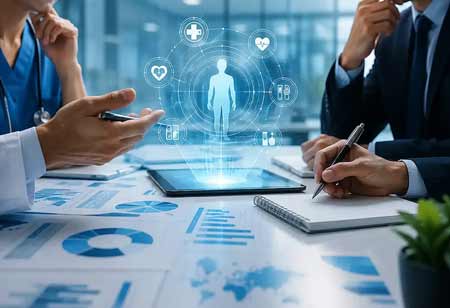
In the ever-changing world of healthcare, there are numerous obstacles that face a business, from legislation changes to just plain operational inefficiencies. It must know how to get over challenging huddles as it pertains not only to the industry but to an innovative toolset that delivers sustainable growth and improved patient outcomes.