
Thank you for Subscribing to Healthcare Business Review Weekly Brief
× 
Healthcare Business Review Weekly Brief
Be first to read the latest tech news, Industry Leader's Insights, and CIO interviews of medium and large enterprises exclusively from Healthcare Business Review
A featured contribution from Leadership Perspectives: a curated forum reserved for leaders nominated by our subscribers and vetted by the Healthcare Business Review Advisory Board.

Chesapeake Regional Healthcare
Integrating a Continuum of Post-Acute, Home, and Supportive Care within a Public, Community Hospital System
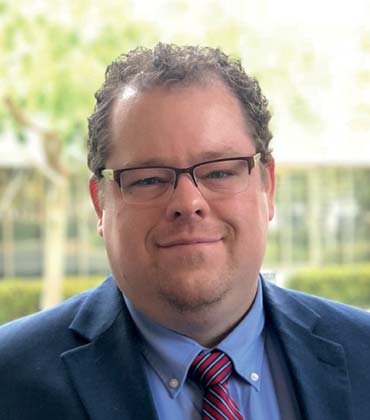
J. Morgan Allen
With the ever-evolving landscape of the U.S. healthcare industry, integration across the continuum has become a driving factor of success. Healthcare and hospital systems must embrace both the pre- and post-acute continuum of care beyond the walls of the hospital and beyond the traditional outpatient services of a healthcare provider.
Implementing a comprehensive and integrated continuum of care may come easier to large systems, with a multitude of resources, however it is critically important for independent or community hospital and health systems to develop a wide-ranging continuum strategy. Chesapeake Regional Healthcare (CRH) has a long-established history serving the communities of southeastern Virginia and northeastern North Carolina as a publicly backed, community hospital system with deep civic roots across the region. Chesapeake Regional Healthcare is anchored by the 310-bed Chesapeake Regional Medical Center with the pristine, brand-new Richard S. Bray Critical Care Tower and newly completed Priority Toyota Cancer Center.
The development of Chesapeake Regional’s Home & Supportive Care service line has strengthened the organization’s investment in the community by extending the healthcare delivered in the health system’s state-of-the-art facilities, to care that goes directly into the community with a goal of “Meeting You Where You Are” for patients and families.
Launching Home & Supportive Care has moved CRH beyond traditional home health and hospice services, to enhance the system’s robust acute care offerings, employed provider medical group, and outpatient services, by developing a multi-inclusive approach to communitybased care and care in the home. CRH has made a deliberate shift in focus to enhance continuity of care for patients and families. In doing so, it has grouped the system’s home care services, skilled home health, hospice, palliative medicine, virtual connected care at home, home and community based serious illness disease management, advanced care planning, and clinical ethics. This comprehensive collection of services takes healthcare into the community and beyond the hospital or doctor’s office.
To allow for a laser focus on continuity, communication, and coordination, CRH’s home health and hospice services primarily provide care for patients who have an existing relationship with the health system: either a patient discharging from Chesapeake Regional Medical Center, a patient under the care of a physician or provider affiliated with Chesapeake Regional Medical Group or a partner medical group, or a patient receiving care in another outpatient area of the health system. This will lead to enhanced clinical outcomes and an improved patient experience by allowing the patient and family to transition seamlessly from one care setting to another with clinicians and care team members in constant contact with one another and direct visibility to the medical record.
The inclusion of advanced care planning and clinical ethics in the continuum allows for a broader and greater perspective of patient wishes and advanced directives, as well as ethical challenges provided by a multiinterdisciplinary and multi-inclusive team.
An inclusive palliative care service provides palliative medicine and psychosocial care for patients facing a life-challenging or life-limiting illness with a robust inpatient consultative service and outpatient clinic. The palliative care teams are critical in both settings, from supporting patients and their family’s goals of care to managing physical and psychosocial symptoms and helping to navigate care decisions and care planning. The palliative care team is also crucial in guiding patients into the most appropriate service offerings within the continuum and ensuring they receive the most comprehensive care available.
These services are all augmented by a developing provider-driven, community based serious illness service and a developing approach to virtual care in the home. With a diagnosis-focused Connected Care at Home program, patients’ biometric screenings are monitored in real time and virtual interactions with the care team are provided when needed. The nurse practitioner-led serious illness service aligns both independently and congruently with the virtual component to provide wrap around services for patients with advanced illness needing care at home or in the community. Either of these auxiliary programs are available for any patient meeting the clinical need, no matter where they are within the preor post-acute continuum of the health system, and may concurrently overlay any other continuum services, all with the goal of providing maximum support to the patient.
The inclusion of advanced care planning and clinical ethics in the continuum, allows for a broader and greater perspective of patient wishes and advanced directives, as well as ethical challenges provided by a multiinterdisciplinary and multi-inclusive team. A system-wide clinical ethics service provides support and guidance for policy development and review, resolution of care related divergences, and support for complex care requirements and compounded patient and family experience needs. The importance of advanced directives and advanced care planning is championed by the service line team across the entire organization with a goal of supporting patient autonomy and improved outcomes.
CRH clinicians have the opportunity to care for patients across the continuum and across the community, either remotely or by meeting the patient where they are. The consistent primary goal is to keep the patient in the community and out of the hospital and to prevent a return to the acute care setting post-discharge.
The articles from these contributors are based on their personal expertise and viewpoints, and do not necessarily reflect the opinions of their employers or affiliated organizations.
