
Thank you for Subscribing to Healthcare Business Review Weekly Brief
× 
Healthcare Business Review Weekly Brief
Be first to read the latest tech news, Industry Leader's Insights, and CIO interviews of medium and large enterprises exclusively from Healthcare Business Review
![NEXUS AG [ETR: NXU]: Turning Diagnostic Evidence into Clinical Action](https://www.healthcarebusinessrevieweurope.com/uploaded_images/Untitled-4-khfaa.jpg "NEXUS AG [ETR: NXU]: Turning Diagnostic Evidence into Clinical Action")
Diagnosis work is not just a matter of gathering information. Clinicians need to organise and interpret data, to relate measurements, images, findings and patient history in support of accurate, defensible conclusions. The software platform developed by NEXUS AG [ETR: NXU] incorporates expert knowledge from laboratory medicine, pathology, radiology and other diagnostic disciplines into a connected clinical record, contributing to a more structured and intelligent approach to diagnosis. The platform uses standardised clinical terminology, evidence-based logic and ongoing data monitoring to ensure that critical information stays relevant throughout the patient journey. The process begins at the point of documentation. WinData Clinic provides digital forms, specifically tailored for individual exams, built with clinically validated terminology. Healthcare teams can tailor fields, provide clinically relevant information and add free-text notes when a patient's situation requires more context. The balance between structure and flexibility helps maintain consistent documentation while preserving clinical judgement. The semantic data model also stores information in a way that facilitates future reviews, reporting and analysis. This structured approach is also integrated into the development of reports with NEXUS/ADVANCED REPORTING, an intelligent reporting solution that aims to make clinical workflows easier. Data from connected medical devices can be automatically incorporated into appropriate sections of diagnostic reports, while suggested text generation can assist clinicians with more efficient documentation of findings. Rather than trying to fit all specialties into a single reporting format, the software adapts to the terminology, workflow and documentation needs of different clinical settings....Read more
![NEXUS AG [ETR: NXU]: Turning Diagnostic Evidence into Clinical Action](https://www.healthcarebusinessrevieweurope.com/newstransfer/upload/1-j8j40-.jpg "NEXUS AG [ETR: NXU]: Turning Diagnostic Evidence into Clinical Action")
Healthcare Tech
Chronic disease management requires continuous visibility into patients’ health between clinical visits. Without ongoing insight into changes in a patient’s condition, opportunities for early intervention can be missed. Newcard helps healthcare providers maintain that visibility through a remote monitoring model that combines connected medical devices, laboratory data and dedicated clini... Read more

Healthcare Tech

Across Europe, healthcare systems are facing rising mental health needs, workforce shortages and growing pressure on clinical resources. Yet most care models remain reactive, built around intermittent assessments rather than continuous understanding of patient health. Organisations capture vast amounts of physiological, behavioural, environmental and clinical data that often remains fragmented across different sources, making it difficult to identify subtle changes that may signal psychological det... Read more
Healthcare Tech
Medical departments must coordinate staffing, schedules, on-call coverage, training activities, leave management, and communication while maintaining operational continuity. Managing these responsibilities across physicians, residents, and administrative staff can be complex, particularly when schedules change frequently and staffing requirements must be adjusted in real time. For department leaders, maintaining visibility across these moving parts is essential to keeping services organized ... Read more

Waste Management

Three Key Steps to Successfully Embed Medtech in Healthcare
Christopher Kipps, Clinical Director of Research & Development, University Hospital Southampton NHS Foundation Trust
Therapy Services
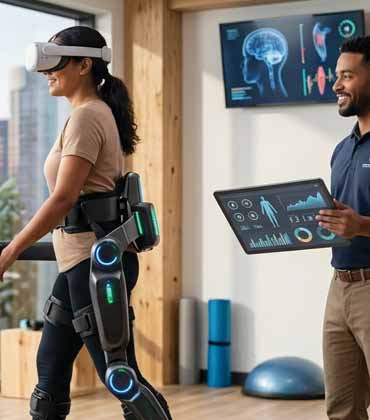
Trends Shaping the Future of Ambulatory Rehabilitation
Michael Schmidt, Director of Ambulatory Rehabilitation, Duke University Health System
Therapy Services

Healthcare Industry and Telehealth Practices
Vratislava Kovarova, Senior Director Pupulation Health and Medicine, Fresenius Medical Care
Therapy Services

Transforming Healthcare: The Crucial Role of Diagnostic Radiology in Influencing Patient Experience and Outcomes
Greg Mtunz, General Manager Diagnostic Services, Buckinghamshire Healthcare NHS Trust
Healthcare Staffing

Compassionate Leadership in Healthcare
Gil Figueiredo, Corporate Matron, James Paget University, Hospitals NHS Foundation Trust
Medical Staff Training and Development

Finding Compassion: Navigating the Complexities of Emergency Department Care in Modern Healthcare
Pat Jackson, Director, Patient Experience & Advocacy, Huntsville Hospital
Business Process Outsourcing
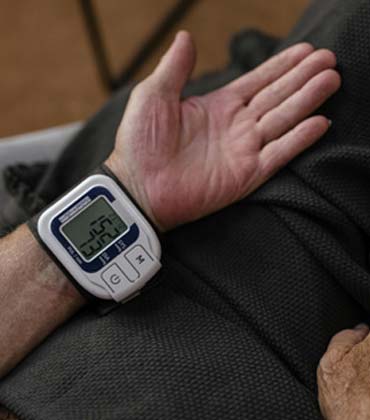
The Application of Remote Monitoring technology in the Management of Heart Failure Patients
Ugochukwu O. Egolum, MD, FACC,Program Director (Founding), Cardiology Fellowship Program, Northeast Georgia Health System

IN MY OPINION
Healthcare Staffing
Career Journey and Leadership at University Medical Centre Ljubljana
Matjaz Tavcar, Project Manager, University Medical Centre Ljubljana

LAST WORD
Therapy Services
The Challenges And Opportunities In The Pediatric Care Space
Anniece Woods, Senior Director Of Operations, Northwell Health
IN FOCUS

Modernizing European Healthcare: The Impact of Evidence-Based Diagnostics
Evidence-based diagnostic solutions improve accuracy, support early detection, enhance healthcare efficiency, and strengthen patient outcomes through data-driven decisions.
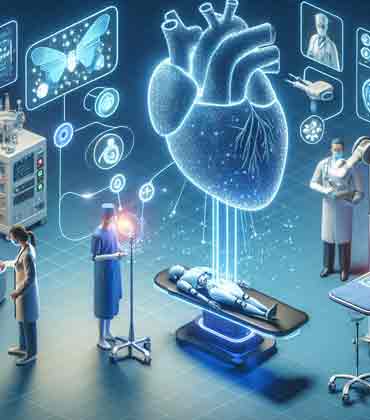
A New Era in Clinical Intelligence: Europe's Commitment to Data-Driven Healthcare
Clinical intelligence signal platforms support faster decision-making, increase operational efficiency, and streamline clinical workflows.
EDITORIAL
Advancing Evidence-Based Healthcare Across Europe
Healthcare is entering a new phase where evidence-based medicine, connected diagnostics and intelligent digital technologies are reshaping clinical care. As healthcare systems respond to growing clinical complexity, workforce shortages and rising expectations for patient outcomes, innovation is helping providers deliver more precise, efficient and patient-centred care. In this edition of Healthcare Business Review Europe, we recognise the organisations leading that transformation.
Recognised as the Top Evidence-Based Diagnostic Solutions in Europe 2026, NEXUS AG (ETR:NXU) is helping healthcare providers turn diagnostic evidence into clinical action through an integrated platform that connects medical devices, imaging, clinical documentation and reporting. By combining evidence-based methodologies with interoperable workflows, the company enables clinicians to make informed decisions while improving efficiency across laboratories, pathology, radiology and specialist departments.
This edition also features Imnemia, recognised as the Top Clinical Intelligence Signal Platform in Europe 2026, for advancing earlier mental health intervention through explainable artificial intelligence and continuous clinical intelligence. Lya2, honoured as the Top Medical Department Management Software in Europe 2026, is helping healthcare organisations simplify scheduling, workforce coordination and departmental operations through a platform designed by physicians for medical teams. Newcard, recognised as the Top Remote Monitoring Solutions in Europe 2026, is strengthening chronic disease management by combining connected monitoring technologies with dedicated clinical support that enables earlier intervention and more proactive patient care.
Our CXO Insights feature Vratislava Kovarova, Senior Director of Patients’ Safety and Sustainability at Fresenius Medical Care, who explores the growing role of telehealth, artificial intelligence and evidence-based medicine while emphasising the need to prepare clinicians for an evolving healthcare landscape.
Together, the organisations and leaders featured in this edition demonstrate that the future of healthcare will be shaped by those who combine clinical expertise with intelligent technology and operational excellence. We invite you to explore the insights shared throughout this issue and discover how evidence-based innovation is strengthening healthcare across Europe.
