Thank you for Subscribing to Healthcare Business Review Weekly Brief
× 
Healthcare Business Review Weekly Brief
Be first to read the latest tech news, Industry Leader's Insights, and CIO interviews of medium and large enterprises exclusively from Healthcare Business Review
A featured contribution from Leadership Perspectives: a curated forum reserved for leaders nominated by our subscribers and vetted by the Healthcare Business Review Advisory Board.

Hartford Hospital
Navigating the Human Capital Crisis in Radiology
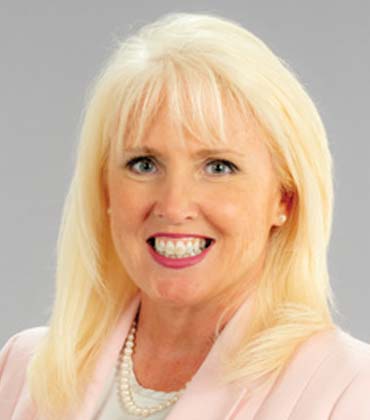
Sandra Phillips
Sandra is a Diagnostic Imaging Director with a strong focus on strategic healthcare planning. Her expertise includes leadership, team management and ensuring regulatory compliance and quality assurance. She excels in implementing innovative radiology “best” practices and optimizing departmental operations to deliver exceptional patient care results and experiences.
Insights about Professional Journey And Current Responsibilities
One of our greatest challenges following the COVID-19 pandemic has been addressing the human capital crisis in radiology. A national shortage has developed, affecting the candidate pool of interpreting radiologists as well as the technologists who perform medical imaging. Currently, the impact of the shortage varies by modality and shift, with a notable shortage in our local market of general X-ray and CT scan technologists.
The Future of Radiology Must Leverage Thoughtful Introspection to Ensure That We Blend Technological Innovations with Compassionate, Patient-Centered Care To Effectively Support Our Growth and Future Needs
A major issue we’ve encountered is that many large travel agencies employing imaging technologists have absorbed a significant portion of the available pool, forcing employers to hire at premium rates to recruit them back into permanent roles. A highly competitive supply-and-demand issue now exists, exacerbated during the pandemic. Some radiologic programs reduced their intake of students, while many students chose to leave due to fears surrounding COVID-19. By 2022 and 2023, it became evident that recruitment efforts for new technologists were woefully inadequate to meet the growing demand. Additionally, the increased number of retirements among baby boomer technologists has significantly impacted the profession. Not only has this reduced our resource pool, but it has also led to the loss of our most senior and highly skilled imaging technologists.
As a Radiology Director, my day typically begins with the hospital’s Patient Safety Action Group meeting, followed by the imaging team’s daily safety huddle at our level-one trauma center at Hartford Hospital. This involves a quick 15-minute check-in with all directors and key staff to review the daily census and share any notable concerns that may affect other units. I then meet with my team to review our situational awareness for the day. The remainder of the day is filled with a wide array of meetings covering topics like operational readiness, strategic planning, capital and operational budgeting, regulatory awareness/preparation, and human resource recruitment and retention efforts.
Cutting-Edge Innovations Transforming Radiology
In the fields of nuclear medicine and oncology, we’re seeing significant advancements in diagnostics and therapeutics, driven by cutting-edge technology and treatments led by theranostics (which combine diagnostic procedures to identify specific molecular targets and deliver targeted therapies). We’re also exploring the purchase of new advances in nuclear medicine, CT, and MRI technology in the near future. Artificial intelligence is another area of growth and development, as it holds the potential to improve throughput and operational efficiency for both technologists and radiologists.
Telemedicine is another area of emphasis, especially as we emerge from the COVID-19 pandemic, where the demand for remote work, even among doctors, has increased. While fully remote healthcare can be challenging, we’re focusing on enhancing patient care through improved telemedicine and remote medicine solutions.This requires robust and secure IT systems, as a cyberattack could cripple operations, increase costs for the organization, and negatively impact patient care. Navigating the complexity of modern healthcare systems is another challenge. As we advance, I often joke with my team that things seemed simpler in the days of paper records when there was less complexity. For example, our hospital uses a well-known Hospital Information System, but cardiology, the operating room, and the lab each have their own departmental systems. This IT fragmentation makes it difficult to coordinate care across departments. If we need to perform a procedure with the EP department, their nurses can’t document in our radiology system. Our focus is to harmonize these systems to ensure we deliver high-quality patient care while managing the demands of doing more with less.
A Glimpse into The Future Of Radiology
I anticipate significant investments in enabling remote technology operations with on-site assistance if the current human capital crisis persists. This could involve scenarios where a technologist operates a CT scanner remotely, while an on-site tech or aide handles tasks like positioning the patient and setting up injections. The remote technologist could then manage the scan and perform reformatting from a different location. This setup could become more common in the next few years, aligning with the growing demand for remote work options. It would be particularly appealing for technologists seeking the flexibility to work from home.
In five to ten years, we can expect even more significant advancements. Equipment may become increasingly automated, with many aspects potentially running themselves. We’ve already seen this shift from the days of manually processing film to today, where imaging rooms are designed to operate with minimal human intervention. This shift toward automation and remote operation represents the future of the industry.
Advice for Senior Leaders And Upcoming Professionals
It’s crucial to stay updated on the latest technologies and be aware of global trends to succeed in this role. Building and maintaining strong relationships with the schools that supply students to your organization is key to ensuring a steady flow of talent. Creativity is essential for navigating the future, particularly when resources are limited, as we often need to do more with less. It’s also vital to remain competitive with compensation, take initiative, and be innovative in strategic planning.
Beyond these aspects, one of the most critical qualities I emphasize to everyone is the need for compassion and effective people management. In today’s environment, where diversity, equity, and inclusion (DEI) are paramount, it’s essential to be equitable, fair, and treat others as you would want to be treated. People in management roles can forget the importance of compassion, but it’s something I always prioritize. I never forget my roots as a technologist and the importance of being patient-centered.
The articles from these contributors are based on their personal expertise and viewpoints, and do not necessarily reflect the opinions of their employers or affiliated organizations.
